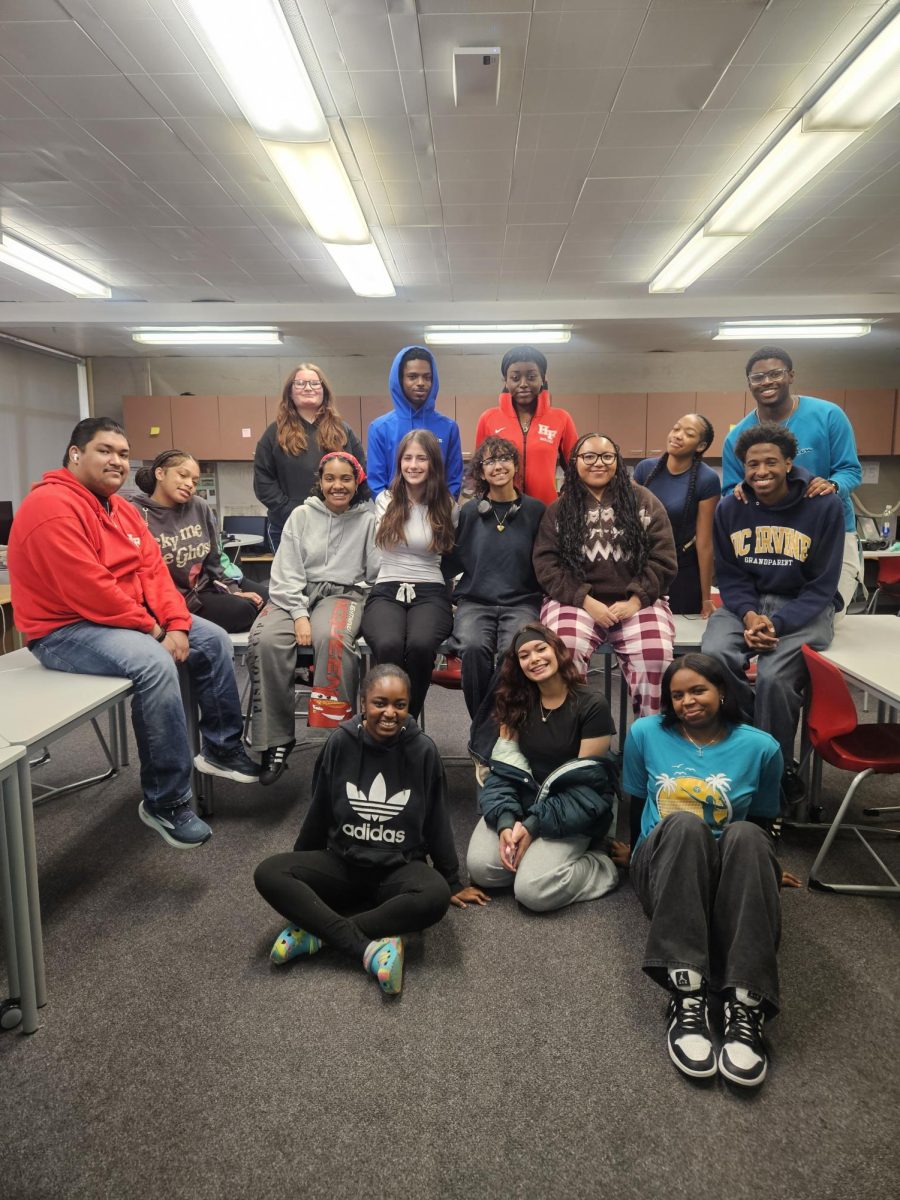


When the holiday season comes around cheerful music, yummy treats and delightful smiles are seen at an all-time high. The music and yummy treats are guaranteed to be completely truthful, but not so much the smiles. The holiday season can bring lots of stress, anxiety and even depression. Retail pressure is taking over minds, high school and college students are studying for finals, and days are shorter and colder.
One of H-F’s very own social workers, Greg Jones, reflects on the importance of mental health especially during these times. “This time of year can be very trying for students especially.” Jones states, “Going on Thanksgiving break for a week, then coming back and only having two weeks to prepare for finals is very mentally draining. So much academic pressure in such a short amount of time can make students forget that this is a fun time of year, which I encourage students to use as a tool of motivation.”
He also reflects on the mental impact of the holiday season at home, “I also think holidays can be very difficult for families. Kids with separated parents can possibly feel a lack of stability with having to go to multiple households for holidays and not experiencing the typically advertised Christmas morning or Thanksgiving dinner. Families that have to grieve losses from the closing year could be struggling with the feeling of defeat or emptiness.”
As a child that lives in a single parent home, I highly believe the amount of students that live in single parent homes is often overlooked. Students with this home dynamic could feel overwhelmed from going house to house during holidays, or could be unable to have or see both parents around the holidays, and many other scenarios. The societal and media standards of waking up with your mom and dad on Christmas morning surrounded by a tree of gifts is experienced by a very small percentage of people and absolutely unrealistic.
Jones also affirms students, “Teenagers are the most resilient humans ever. Often teens’ emotions are suppressed and they keep pushing, which isn’t the best way to keep yourself going.” Jones also advises students “To keep those resilient mindsets but also use the tools surrounding them. We have plenty of social workers, psychologists, tutors and most importantly, students have each other which I think is the most helpful tool students can utilize.”
Mental health this time of year isn’t just a focus for young students. It greatly affects adults as well. According to Destructing Stigma, “A 2023 survey by the American Psychological Association, found that 89% of U.S. adults feel stressed during the holiday season, with 41% reporting higher stress levels compared to other times of the year.”
With these large percentages of affected adults, it is clear that prevention is not the action to be taken, but fostering healthy stress relief practices definitely is. It is important to recognize that each circumstance requires different protocols. To find the right methods for you, visit the Destructing Stigma website.
Having struggles within your mental health is completely okay. The holiday season will never put a pause on grief, anxiety, and any other emotions. It is key to be empathetic of others and be kind to yourself. Mental health isn’t something we should struggle toward alone, but as a community.