Black History is an essential part of the history of America.
It was not born in comfort. It was carved out of stolen years, forced silence and brilliance that refused to dim. Yet even now, there are hands eager to sand down the truth as if pain, triumph and legacy were all negotiable.
When pages are removed and stories softened, entire generations lose the map of who helped build the world they stand in.
Remembering becomes more than celebration, it becomes protection. Without memory, there is no justice and without justice, history repeats itself.
In the past years of the history of America, there have been more attempts at erasing Black History than I can count.
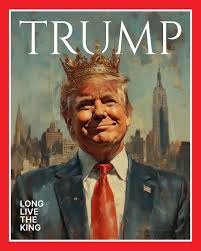
“Human Rights Watch” recalls the time that President Donald Trump issued an executive order in April of 2025, which targets the National Museum of African American History & Culture for being “too divisive.”
Calling Black History divisive suppresses the importance of the past events which shaped today’s society, and it’s become more common to dismiss these influential events rather than acknowledge them to make sure we don’t repeat the past.
It suggests that acknowledging historical injustice is more dangerous than ignoring it, and that discomfort should outweigh responsibility and accountability.
This type of language does not simply criticize institutions like the National Museum of African American History and Culture, it signals a broader attempt to control narratives to decide which are considered acceptable in public spaces.
When leaders frame education and remembrance as sources of division, it opens the door for further restrictions on how history is taught, discussed and preserved.
This is an excuse that frequently pops up behind erasing Black history, or not wanting to have it as a conversational topic.
And it doesn’t stop in governments or museums. It moves into classrooms where the next generation’s understanding of the past is shaped.
In 2023, Republican Florida Gov. Ron DeSantis gained national notoriety for leading the charge against AP African American Studies. His administration blocked the course from being taught in the state’s public schools, insisting that it would make white students feel guilty about the past.
“We believe in education, not indoctrination,” said Desantis, “Florida is where woke goes to die!”
These efforts to erase or limit Black history are not new, but they have grown louder and more organized in recent years.
Across the country, school boards and lawmakers have pushed to restrict how slavery, segregation and racism are discussed in classrooms.
Books written by Black authors have been removed from libraries, lessons have been rewritten to emphasize “both sides,” although it’s pretty obvious as to which side is suffering, and educators have been warned against teaching material that could be considered uncomfortable.
In Spring of 2021, Tennessee Gov. Bill Lee signed a law named the anti-“Critical Race Theory” law.
What was painted as a law designed to eliminate racial superiority over one another, was actually a disguise for preventing educators from discussing the discrimination of Black people over the last four centuries.
Laws like these are meant to protect individuals who misinterpret accountability for discomfort.
Much of American history is uncomfortable specifically because it reveals who benefited and who paid the cost.
However, people begin to change the narrative of who is the oppressed and who is the oppressor, it seems like the stance on American education and history seems to change.
This is shown in multiple instances, one being in a New York Times interview with Trump.
According to the New York Times, “Trump harnessed a political backlash to the Black Lives Matter and other protests, saying there was a definite “anti-white feeling in this country” and he joined his administration in denouncing what he deemed to be “woke” policies.”
One of the main causes of the Black Lives Matter movement, as well as other protests, was to oppose systemic racism.
Trump saying that it brought an “anti-white feeling into the country” is a crystal clear example of attempting to change the narrative and diminish the importance of events regarding Black history.
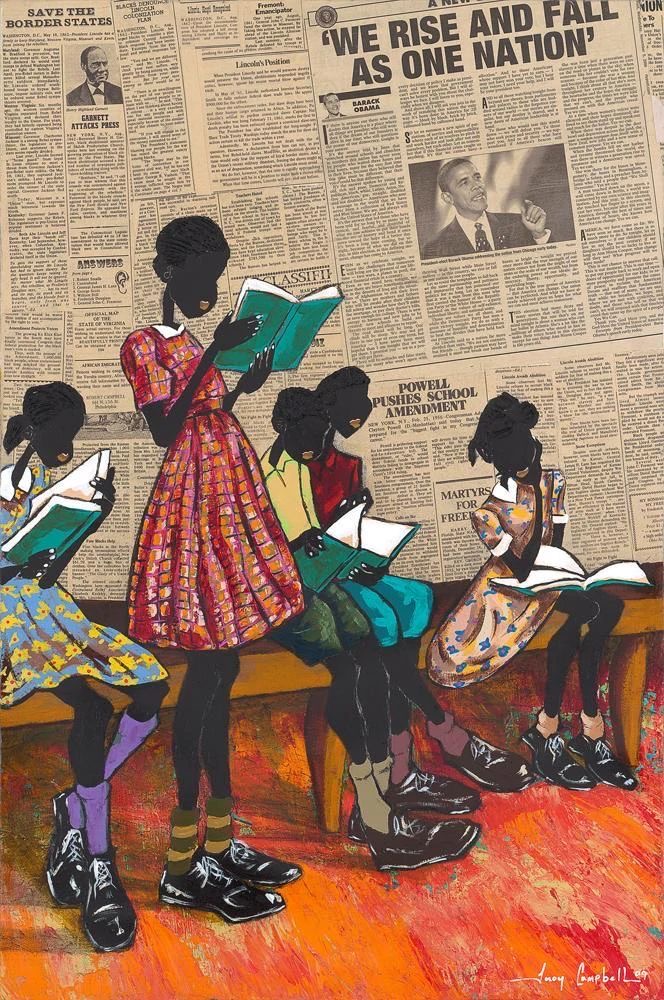
To remember Black History is to refuse the quiet deletion of voices that shaped our world. It’s an act of respect for those who fought, created, dreamed and demanded to be seen when the world tried to treat them as footnotes.
Erasure may feel invisible, but its damage is not. It leaves future generations without the truth of where they come from or who paid the price for their freedoms.
If we allow history to be softened or incomplete, we inherit a future built on concealment. The choice to remember is a choice to preserve honesty, and honesty is the only soil where progress can grow.
Black History is not a sidebar to America’s story, it’s the backbone, and it deserves to be told in full.