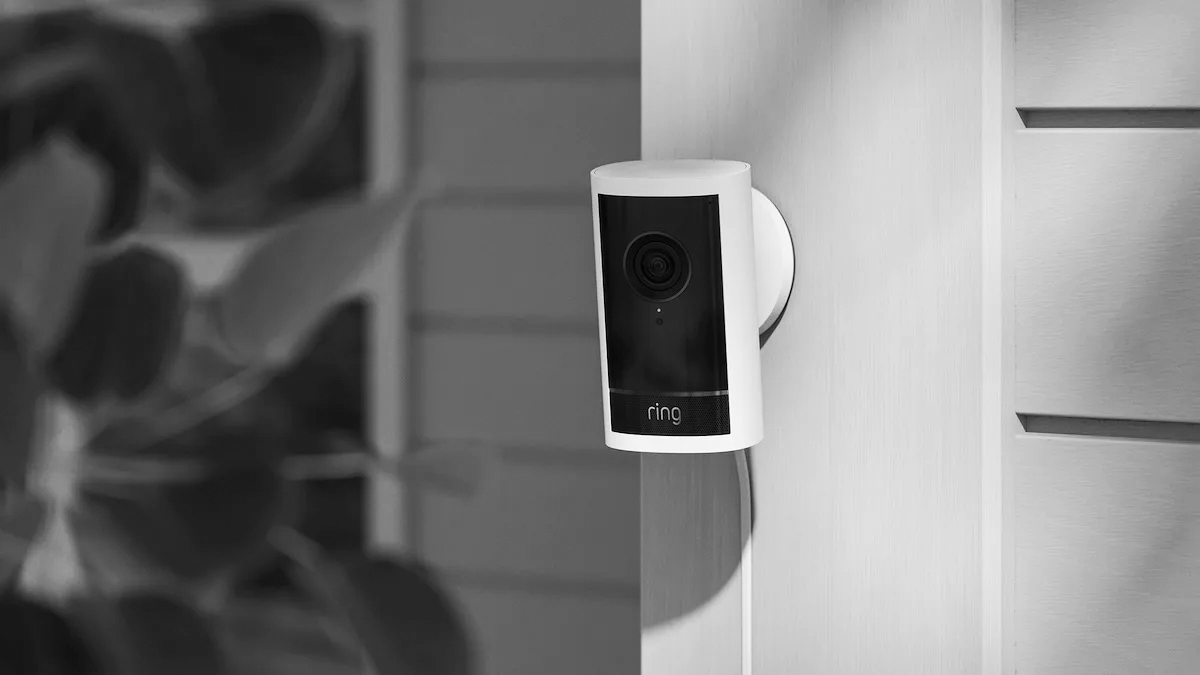
Ring security cameras are moving deeper into surveillance and security in partnership with Flock Safety, and while opt-in agreements and agreement policies are firm, I believe some privacy issues remain that some of our citizens cannot control.
In 2025, doorbell service Ring and security hardware operator Flock Safety officially partnered with one another to “make it easier than ever for neighborhoods to work together to protect their homes and families,” according to Flock Safety’s local blog announcing the collaboration.
With that process of making it easier, law enforcement is allowed to have access to Flock’s software to request footage through Ring’s Community Request Program.
This program enables users to either opt in or opt out of sharing their footage, which, upon opting in, will appear on the feed of neighbors within the designated area of the footage, but choosing to opt out will keep the user anonymous and unknown to not only neighbors but also law enforcement as well.
And while this is beneficial for enhanced security and the confidentiality of those who choose to allow footage to be surveyed, Ring and Flock both have stained histories of security breaches and privacy policies.
Jon Gaines, more notable as “GainSec,” is a hacker who, throughout his 10-year tenure of security breaches and delivering “hundreds of offensive security engagements,” found numerous flaws in their cameras.
Reported by Straight Arrow News, “Gaines contributed to research that found more than 60 of Flock’s Condor PTZ cameras, which use artificial intelligence to track individuals, were exposed to the open internet. The researchers, using a simple search engine query, were able to access archived footage and live feeds from cameras placed in locations such as a children’s playground.”
Over 80,000 Flock cameras are estimated to be planted throughout the U.S., and apparently have “little to no oversight.” This is extremely harmful because, regardless of an opt-in or opt-out policy, footage is not being carefully analyzed.
With Flock’s aforementioned agreement to share data with federal agencies and police departments, video footage that has been voluntarily shared may be used for framing or criminalizing purposes.
”But the denial hits differently when you understand what Flock actually does. According to reporting from 404 Media, Flock has allowed government agencies, including ICE, to tap into data from its nationwide camera system,” best said by Tech Buzz, a leading news tech outlet in the U.S, reporting on “news, insights, and opportunities in the tech sector.”
Even with the partnership, it is understood that once footage leaves the company, it is in the hands of the police and other law enforcement agencies, not Ring or Flock. What if ICE were able to access this information? What if our footage falls into the wrong hands, or in the hands of a biased enforcement agency that can curate and twist arrests or policing into framing an innocent citizen?
“The potential for a massive, interconnected local surveillance network to serve broader federal purposes isn’t theoretical anymore —it’s the exact scenario activists are now organizing against,” said Tech Buzz.