
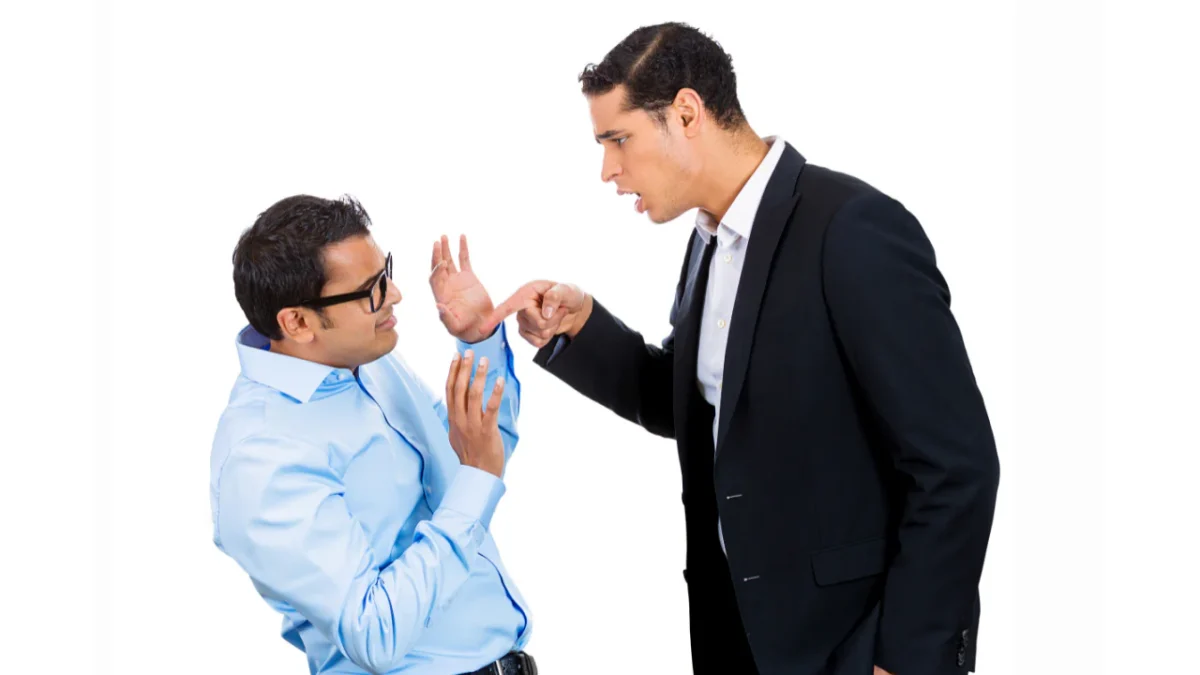
A passive person finds themselves avoiding a plethora of things: confrontation, uncomfortable conversation and accountability.
Some see this as purely a shy personality or an innate way of life that cannot be reversed.
But when does it become too much? In my personal experience, I have explored both sides of aggressiveness and passiveness in social situations. I have been the one to speak up, as well as the one to be silent.
As someone who has gone to both extremes, it’s safe to say that passivity is not a characteristic to adopt or keep. Passivity plays an extremely negative part when pertaining in relationships, friendships, and jobs.
“Being passive can also be a way to shirk responsibility when it comes to owning the choices and decisions they have made and are making,” said Two Trees Counseling, a Nashville-based counseling agency offering “individual, premarital, marriage and couples counseling.”
Choosing to be silent when feeling like your boundaries are violated, or when you encounter behavior that you don’t like, can connect to this. Many tend to shy away from these situations because, to a fair and justifiable point, some are innately that way. But I slightly disagree.
Adaptation to certain behaviors and ways of thinking obviously happens through experience. Inferring that some experienced a boundary violation or ridicule for being expressive or aggressive in who they are may have led to what we see now.
To them, confrontation isn’t needed, and neither is conversation to some individuals. But in a way, that leads down a path of self-destruction that some don’t catch up on until it is too late.
Even phrases that we say in response to situations that evidently hurt us: “It is what it is,” or “nothing I can do about it,” these statements hold validity. Some situations are out of our control, but what we can control is how we respond to them.
When ignoring our own feelings, or to what extent they are hurting us, it builds resentment and bitterness toward the situation or its cause.
Under many of these circumstances, the illusion of selflessness, or the desire not to be the aggressor or the overly demanding person, arises.
Said accurately by professional life coach Joshua Uebergang, “Another reason passive behavior is beneficial for people who disconnect themselves from conflict and conversations is blame-avoidance. A person who has said, “I’m fine with anything you decide,” pushes the final decision onto somebody else.
When we pass up certain opportunities to be vocal, vulnerable and expressive, we lower ourselves and reduce others’ availability to us. “Things don’t just ‘randomly’ happen. When someone reaches out to us, and we choose not to engage, we are leaving that other person vulnerable,” Two Trees Counseling noted.
When being passive, we attack ourselves with unimaginable pain; resentment from not speaking and silently judging another’s intentions without asking, loss of conversation from refusing to address the elephant in the room and disconnection from those who love us the most.