In the world we live in today, love is one of the most inclusive factors of our lives but lots of times, it’s the most difficult.
This difficulty is often derived from comparison of your own relationship and these comparisons are usually against whatever a person sees on their screen. To that point, social media is likely to be the leading factor to the end of current relationships.
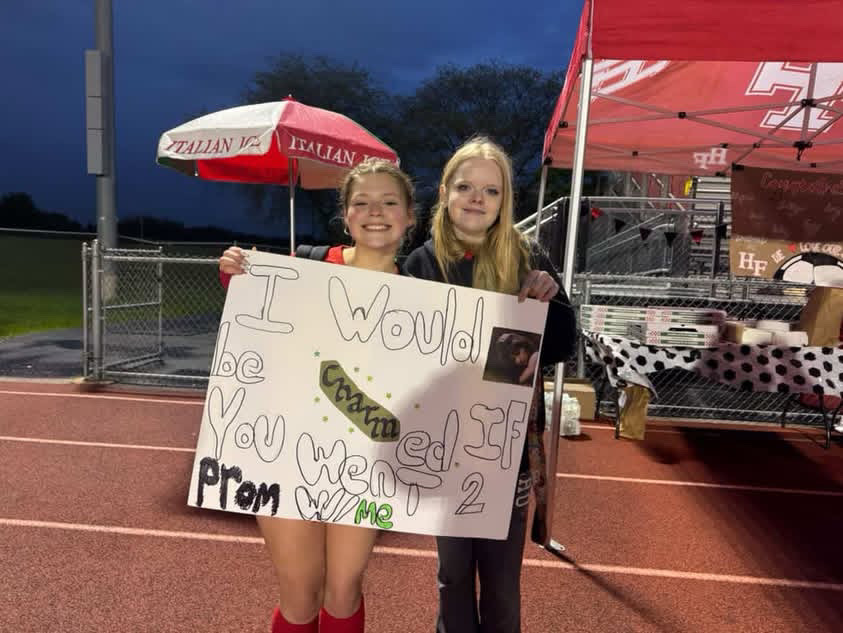
Materialistic things seen on social media are often the root of these issues. The unrealistic expectations of receiving designer clothes for a birthday, getting promise rings a month into a relationship or being flown out to Paris to get engaged. These extravagant romance efforts originally were seen by celebrities, but slowly trickled down to middle-class adults and now young adults and teenagers.
Senior Kyah Lloyd stated, “I get buying gifts for Valentine’s Day or asking someone to be your girlfriend, and even that is a really good gesture as a teenager. Seeing people online around my age getting super extravagant gifts does make me want them more, but not an expectation of mine. As adults, I would definitely expect more though.”
But other students felt differently, as junior Jerni Mahone reflects, “I don’t think that hard about gifts. I feel like if the gifts you get determine your relationship, you shouldn’t be in one. I think we’re the first generation to care about this just because we see it every day on screens and want to feel worthy by being able to do it too.”
The true answer to this contradictory conversation is: Do what you are emotionally, financially and physically comfortable doing. The value of love is not measured by a dollar.
Social media doesn’t just warp the materialistic mindset, but also security and trust. People often feel the need to constantly update the virtual world on how good or bad their relationship is. Making sure you post your significant other is often utilized as a form of “marking territory” or reminding people who you are in a relationship with.
The notes feature on Instagram frequently highlights the vulnerability of relationships through subliminal messages or 30-second lyrics. Not only does the recurrence of this show others how toxic a relationship may be, it also allows others to test the loyalty and security in your relationship.
Social media can even make your significant other feel neglected within the relationship. According to EBSCO, “The Pew Research Center reported that nearly one-quarter of couples in relationships said that they were bothered by how much time their partner spends on social media in 2020.”
Social media obsessions can tarnish relationships mostly because of the lack of attention a partner may receive or increased attention towards people outside of their relationship. Both of these actions usually lead to at least one person in the relationship developing a lack of trust, which is a non-negotiable necessity for any healthy relationship.
Relationships are pretty simple connections to nurture and uphold, unless with many outside influences. Social media is the major influence on negativity, insecurities and mistrust in any form of connections, but especially romantic relationships. Although these platforms are a major portion of our everyday lives, the value of relationships are not subjected to how they are presented to others.