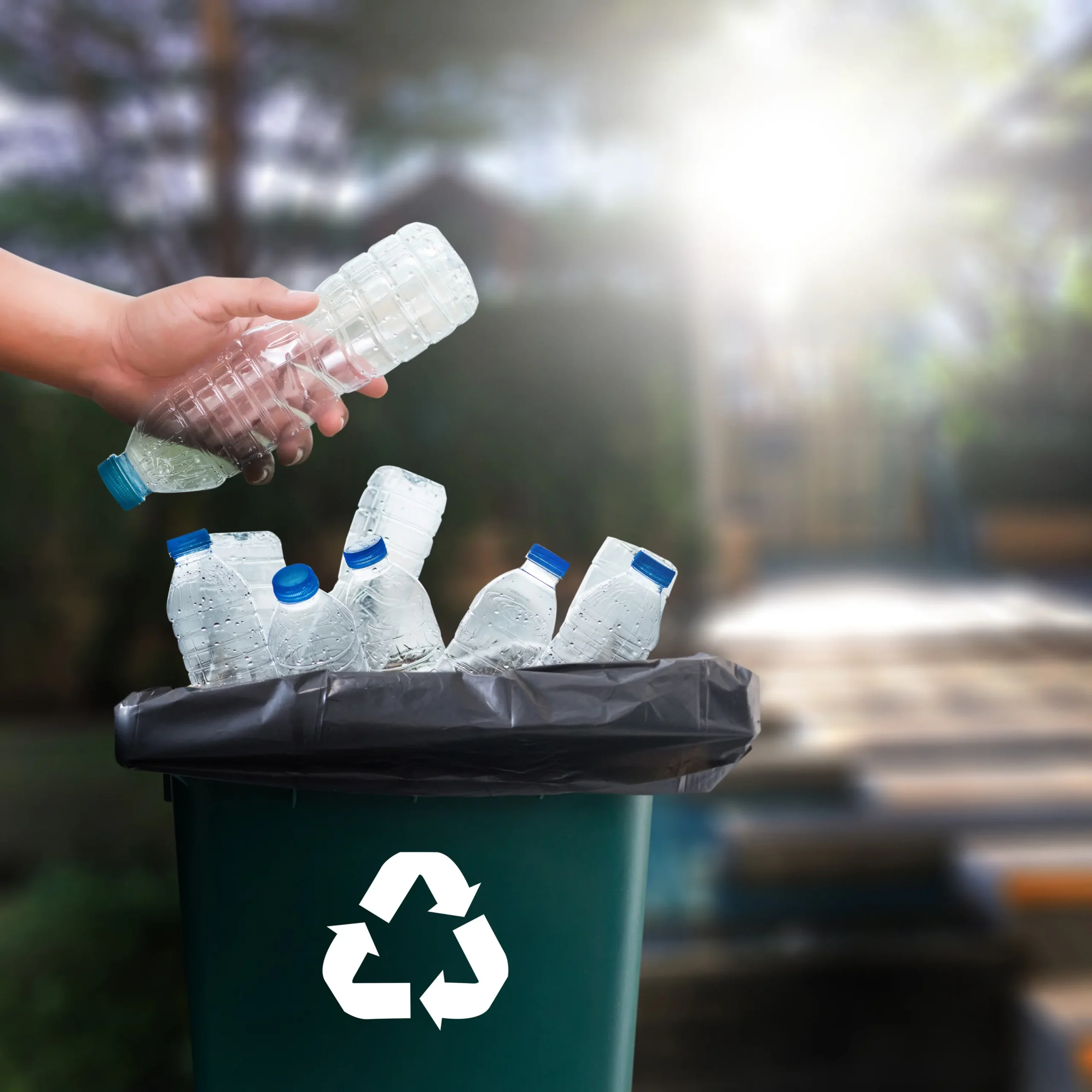
According to the UN Environmental Programme, every year 19 to 23 million tonnes of plastic waste leaks into aquatic ecosystems; that’s equal to 200,000 garbage trucks dumped into our world’s oceans, lakes and rivers.
One of the most popular methods for reducing this level of pollution is landfills. They reduce the amount of waste that makes it into the environment, help to prevent disease transmission and keep communities clean.
However, as landfills continue to pop up and grow around the world, the amount of methane released into the atmosphere contributes heavily to climate change, water and air pollution and habitat loss, as detailed by the University of Colorado Boulder’s Environmental Center.
So why should we care? And what can we do about it?
Stephanie Gioiosa, an AP Environmental Science teacher, said that we should care for our environment because it affects not only ecosystems but humans as well.
According to the World Bank, “pollution, from all sources, is now the largest environmental cause of disease and early mortality, killing more people each year than AIDS, tuberculosis and malaria combined.”
In response, the World Bank has supported developing countries in reducing pollution and creating cleaner economies through litter management, creating new environmental markets and promoting environmental sustainability.
With these efforts, how can we as a community here at H-F work toward a cleaner, safer and more sustainable environment?
While we have refillable water bottle stations around the campus, with the removal of most recycling bins in classrooms and other school rooms, it seems H-F has taken a step back from encouraging recycling for their students.
The Net Zero Building was an enormous milestone. On the H-F website it’s stated that the building includes “outside signage emphasizing the importance of biotic factors (soil microbes, plants & wildlife) and abiotic factors (rain, air quality, wind & solar energy),” and “real-time dashboards will also be on display, providing data about the building’s energy production and usage.” These additions provide H-F students with vital information on how their actions impact the ecosystem they live in. With this, there are many ways the administration could incorporate a comprehensive, eco-safe recycling program at H-F.
There are many ways in which the faculty and staff, as well as students, could waste products like paper or food. In classrooms there are recycling bins, however, when it comes to the lunchroom, Gioiosa brainstormed that H-F can even introduce composting bins and donation bins for usable foods.
Even out of school, she believes that students and faculty can be more involved in reducing the waste and pollution we put out into the world. Even in these colder months, making the shift from using single-use plastics such as grocery bags, plastic water bottles and straws to reusable tote bags, tumblers and glass straws are great ways to be more sustainable. It might even be helpful to look for the green Möbius loop symbol, often associated with recycling, to check if the items they are consuming are, in fact, recyclable.
Students can even take part in local events such as Recyclepalooza and Pumpkin Smash held by the Flossmoor Green Commission, where they “recommend locally feasible, Flossmoor-specific programs for Village resident education and participation on activities and practices that promote environmental awareness and behavior by residents in an effort to promote an environmentally conscientious community at the household level.”
We, as students, have a responsibility to take care of our environment, not only for ourselves presently but for future generations. We need to take charge of protecting and conserving the ecosystems that are so vital to the health of our planet.