With the 2026 Major League Baseball (MLB) season underway, a point of controversy has already arisen: the Automated Ball-Strike System (ABS).
ABS, dubbed by fans as “robot umpires,” is a T-Mobile 5G-powered system that utilizes a dozen cameras around the stadium to track each pitch relative to the K-Zone, or the white box on the broadcast that represents each batter’s strike zone, implemented at the start of the 2026 season.
Essentially, it is a challenging system that is activated when the pitcher, catcher or batter disagrees with the umpire’s call. Each team has two challenges, and if and when a challenge occurs, an animation shows whether the pitch was a ball or a strike. If the team wins the challenge, they retain it; if they lose, they will have one less for the game.
Simple, right? One may think so, as ABS has been holding umpires accountable for their bad calls, for which they’ve been infamous for decades.
In general, I believe it’s a net positive for the sport. It’s making the sport more fair for all teams. Balls get called balls, and strikes are getting called strikes. Even those really close calls when the pitcher paints the corners of the strike zone are getting called correctly now more than ever.
However, some believe that ABS is taking the art out of the sport. Teams may be relying too much on the “robot umps,” and catchers aren’t being rewarded for elite framing of pitches anymore.
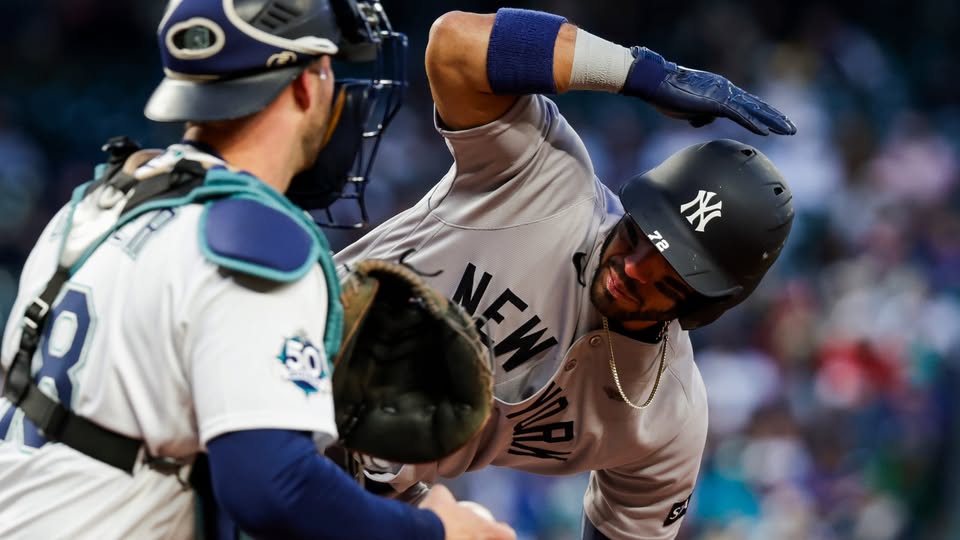
Framing is when a catcher moves a pitch that was originally outside or close to outside of the strike zone towards the middle of the strike zone to persuade the umpire that the pitch was really a strike. Most baseball fans view this as a natural and skillful aspect of baseball, as it’s been around for as long as the sport itself. Some fans, however, dislike the skill and see it as unethical.
I believe that framing is an art and a fundamental skill for elite catchers. Typically, it’s harmless to the fairness of the game, as the strike zone can change by umpire anyway, so unless it’s clearly off the plate, then framing is a matter of the catcher’s skill and the umpire’s confidence and consistency in his calls.
That is the one negative of ABS, and it’s hurting catchers the most. For no matter how well they frame any close-call pitch, if the batter decides to challenge, it’s all for naught. Despite this, I still see ABS as a positive overall addition to MLB. After all, the limit of two challenges, even with the potential retention, allows for hundreds of pitches to be framed and still reward catchers.
Umpires, on the other hand, have been exposed plenty of times this season for missed calls, whether it was not-so-bad or outright atrocious. This will not only help teams to not be cheated with bad calls, but when the postseason comes around and each pitch matters more than the last, the calls will hopefully be called correctly with the assistance of ABS.
ABS also helps to have a more defined K-Zone on broadcasts, as the universal white box can be unreliable and cause viewers to think that a call was missed when it really wasn’t, or vice-versa. Through several cameras being utilized for ABS, when a review occurs, it’ll be more accurate and reliable than the K-Zone, which has been proven to be faulty over the years, as it is a two-dimensional strike zone trying to compensate for a three-dimensional strike zone. At times, it also isn’t consistent with each umpire’s strike zone, as different umps can have different interpretations of the strike zone based on what they see behind the plate rather than the camera angle behind the pitching mound.
I’m confident that umpires won’t be replaced by the robot umpires despite their human flaws and inconsistent calls. All things considered, ABS is changing the game for good.