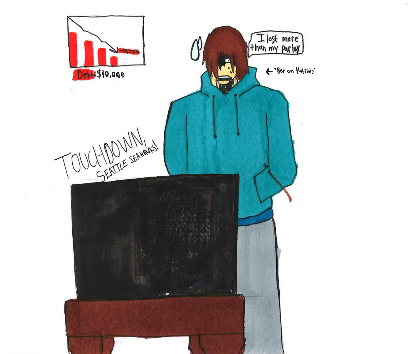
“I can quit any time I want, I swear. Want to bet on it?”
Does that sound familiar? According to a poll by the American Psychiatric Association, 28 percent of American adults have a habit of daily online gambling.
This March marks the 23rd annual Problem Gambling Awareness Month, a nationwide campaign from the National Council on Problem Gambling (NCP). According to the NCP website, the campaign was created to “increase public awareness of problem gambling and the availability of prevention, treatment and recovery services.”
Gambling is known for releasing dopamine, making it easy to get addicted to and hard to let go of. The harmful impacts of this phenomenon go beyond financial debt. Recognized as a public health issue by the World Health Organization, gambling, similar to other addictions, increases the symptoms of many mental health struggles, including high anxiety levels and depression.
Although not yet as big as lotteries and casinos, sports betting is increasingly considered one of the world’s fastest-growing gambling markets. In 2018, the Supreme Court lifted the federal ban on sports betting and left the decision up to the states. 39 states, in addition to Washington, D.C. and Puerto Rico, have legalized online sports betting since then. A 2025 study by the NCP found the average debt of a problem gambler is between $55,000 and $90,000.
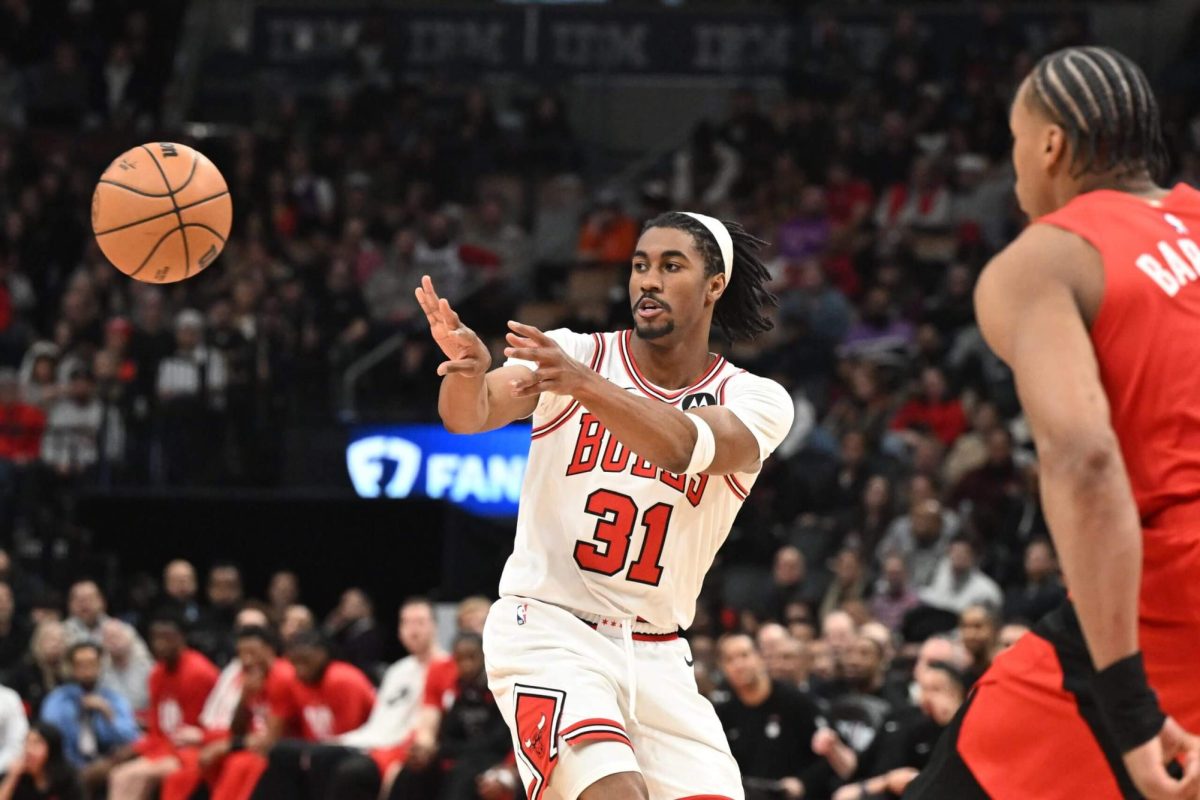
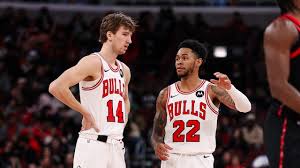
It’s become increasingly clear that sports betting is changing the game. On Oct. 23, 2025, officials announced that Portland Trail Blazers head coach Chauncey Billups, former NBA player Damon Jones, and Miami Heat guard Terry Rozier, along with over 30 NBA personnel, were arrested under charges of illegal gambling and sports-rigging.
The U.S. Senate Commerce Committee wrote in a letter to NBA commissioner Adam Silver that the investigations were “a Congressional concern. The integrity of NBA games must be trustworthy and free from the influence of organized crime or gambling-related activity. Sports betting scandals like this one may lead the American public to assume that all sports are corrupt.”
If there’s a concern over the public viewing national sports as corrupt, why isn’t legislation being pushed to protect impressionable sports fans and avoid gambling addictions and financial ruin? Well, while consumer Americans go broke, the rich and powerful are benefiting.
Besides the relentless use of environmentally harmful AI technology, I noticed another pattern in the advertisements during last month’s Super Bowl: sports betting commercials. As the NFL director of communications, Tim Schlittner instituted a limit of six sports gambling ads in this year’s big game, and major companies like DraftKings and FanDuel secured their spots.
According to the Sports Business Journal, DraftKings donated $2,500,000 to Republican Political Action Committees (PACs), organizations that raise funds in the interest of the Republican party, in 2025, and now companies like DraftKings and FanDuel are at risk of being overtaken by Kalshi and Polymarket, two rapidly growing platforms that several U.S. states have attempted to sue over violations of state gambling laws.
According to PBS, the platforms “allow participants to buy and sell contracts tied to the probable outcome of an event. Customers can wager on everything from whether it will rain in Los Angeles tomorrow to who will win the NBA championship to whether the U.S. and Iran will go to war.”
The Trump Administration has shown its support for Kalshi and Polymarket, with President Donald Trump serving as an advisor to both companies.
The addiction doesn’t start with old men living in their parents’ basements, it starts with the kids on social media. Content creators and influencers on popular platforms like Instagram, Twitch, TikTok and Youtube earn a large portion of their revenue from sponsorships.
“Influencers on these platforms, through their perceived authenticity and direct engagement with their audience, hold significant sway over young people’s perceptions and behaviours,” shared a 2025 study by Social Finance. “Gambling companies collaborate with influencers, many of whom are followed by [children and young people] to distribute advertisements.”
These patterns can be seen on the big screen as well. Large gambling companies collaborate with and sponsor professional leagues and sports tournaments in order to push their apps to sports fans.
Viewers are starting to consume televised sports purely through the lens of the bets they’ve placed. What should be an escape from the daily financial pressure of life has become an additional stressor and this strain is transferring from the couches of the audience to the players on the court.
According to a 2025 NCAA study, “36 percent of Division I men’s basketball student-athletes reported experiencing social media abuse related to sports betting within the last year, while 29 percent reported having interacted with a student on campus who had placed a bet on their team.”
So the next time you open your favorite betting site to wager on your favorite football team, ask yourself if you’re really just participating in some lighthearted fan culture fun, or inadvertently assisting the unethical billionaires of America in getting wealthier.